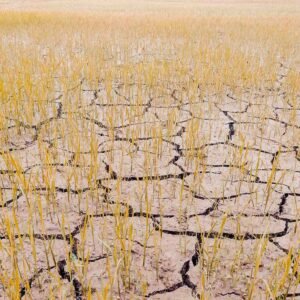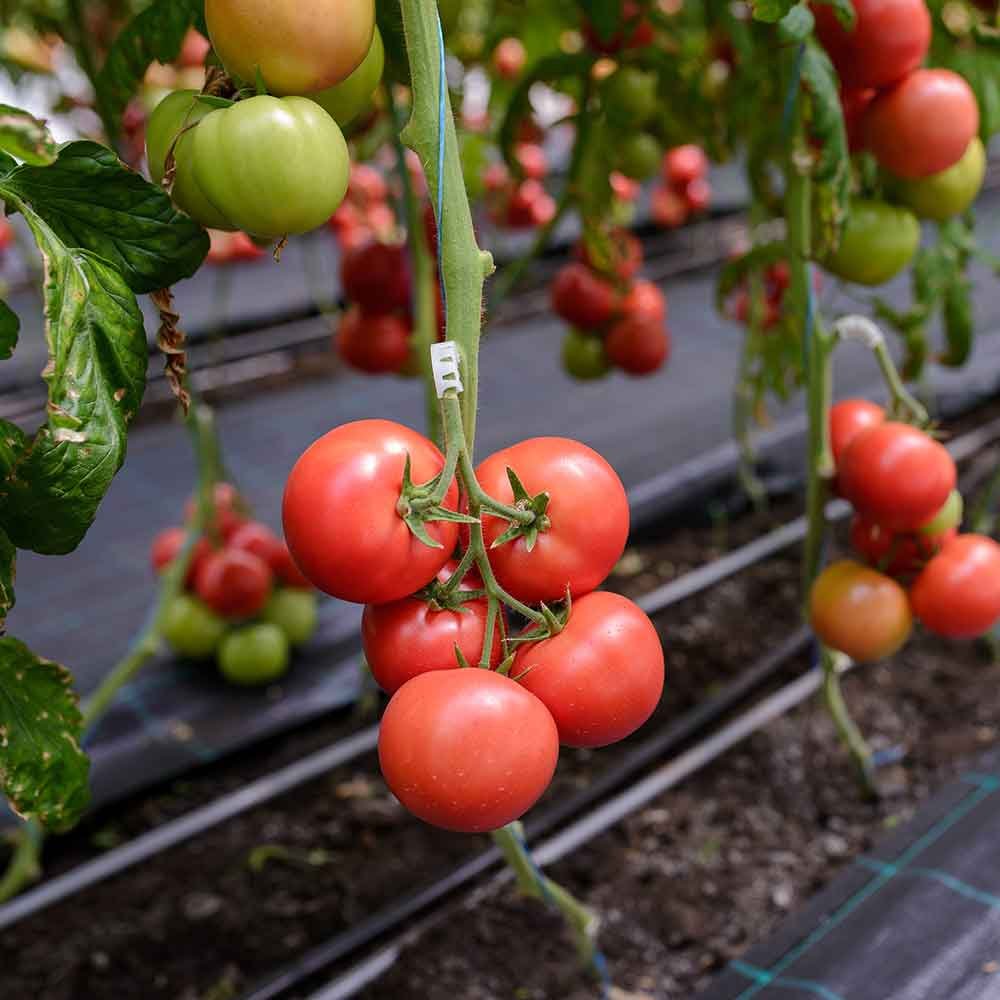
Plants frequently face challenging growth conditions, particularly due to increased environmental stresses such as drought, salinity, and temperature extremes. Under these conditions, proper nutrient management becomes critical in maintaining crop health and productivity.
Understanding Plant Stress
Plant stress is primarily divided into two categories:
- Abiotic stress: caused by non-living factors such as drought, salinity, heat, and nutrient imbalances.
- Biotic stress: caused by living organisms like pests and diseases.
Abiotic stresses significantly impact global agriculture, reducing crop yields and quality. These stresses provoke the generation of reactive oxygen species (ROS), which, if not managed, damage cells and impair plant functions.
Role of Nutrients in Stress Mitigation
Balanced nutrition, particularly involving key nutrients like potassium (K) and magnesium (Mg), is essential in improving plant resilience to abiotic stress conditions.
Potassium (K) – The Stress Reliever
Potassium is integral to various physiological processes:
- Osmoregulation: Potassium helps plants maintain water within cells, ensuring cellular hydration and turgidity even under drought and saline conditions.
- Improved Transpiration Efficiency: Adequate potassium allows plants to manage water loss efficiently, maintaining productivity during dry periods.
- Enhanced Antioxidant Activity: Potassium enhances antioxidant enzyme activities, helping plants detoxify harmful reactive oxygen species (ROS).
Studies demonstrate that crops receiving optimal potassium supply yield significantly better biomass and maintain higher yields under osmotic stress conditions. In scenarios with sufficient potassium, plants can better withstand drought and salinity stress, demonstrating up to 78% improved dry weight under osmotic stress compared to deficient conditions.
Magnesium (Mg) – Central to Stress Resistance
Magnesium plays multiple roles essential in stress mitigation:
- Chlorophyll Formation: Magnesium is central to chlorophyll, crucial for photosynthesis and overall plant vigor.
- Energy and Sugar Transport: Magnesium facilitates carbohydrate metabolism and sugar transport, essential for stress tolerance.
- ROS Management: Proper magnesium nutrition boosts plant antioxidant capacity, further reducing damage from ROS.
An optimal balance between potassium and magnesium has shown positive results in studies. For example, potatoes and wheat receiving balanced K and Mg exhibited improved biomass formation, higher protein content, and greater resistance to stress conditions compared to plants grown under nutrient imbalance.
Real-world Evidence
Research confirms the advantages of balanced K and Mg fertilization. Trials show substantial improvements in crop yield and quality by maintaining this nutritional balance. For instance, wheat trials demonstrated significantly higher protein yields and overall better crop performance when K and Mg were optimized simultaneously.
Practical Recommendations for Farmers:
- Balance over abundance: Avoid excessive use of single nutrients. Aim for an optimal ratio tailored to crop-specific needs.
- Tailored Fertilizer Applications: Develop and apply crop- and region-specific fertilizer blends ensuring the correct balance between potassium and magnesium.
- Integrate Biostimulants: Combining nutrients with biostimulants (amino acids, humic acids, and seaweed extracts) can further boost plant resilience, enhancing nutrient uptake and stress tolerance.
Conclusion
Implementing a balanced nutrient management approach, particularly focusing on potassium and magnesium optimization, significantly mitigates abiotic stress effects. This strategy enhances plant resilience, improves yield quality, and ensures sustainable agricultural productivity under changing climate conditions.